


Trinity Mouzon Wofford isn’t a meal planner. “It feels so antithetical to my nature, personally,” she says in this week’s podcast conversation. Instead, the author of Eating At Home has found a sort of dinnertime flexibility that’s possible when you’ve set yourself up well.
“On my slower days, where I was around the house,” she says, “I would do sort of the foundational cooking,” simmering a big pot of beans with a ton of aromatic vegetables for flavor, blanching snackable veg in salted water. Once she had those ready to go, she says, “during those busier moments, I could do this sort of really breezy assembly,” adding pasta to the beans or letting cooked chicken warm up in the steam of a pot of rice.
Then, she emphasizes, “You are eating something that has hours of cook-time in it and real nourishment in it, but you didn’t have to rearrange your life to get there during the busy times.”
A friend described the method as creating “a base layer of cooking”—a foundation to use for the meals that follow.
But Trinity cautions that when we rush through cooking, or opt to skip it altogether, we miss out on more than just homemade meals: “So much of our lives are just the everyday stuff. It’s the cooking, it’s the cleaning, it’s the chores,” she notes. “We’re being sold the idea that we can achieve freedom by not having to do any of that stuff: Instant gratification, if you’ve earned it.”
But “what’s so important about process,” Trinity says, “is it helps us to channel presence. It helps us to be in the moment that we’re in, not worrying about what’s happening in two hours or two weeks or 10 years. And I think cooking is one of the most accessible opportunities that we have for that. It’s not the only one, but we all have to eat. So why not use it?”
Trinity shares an excerpt from her new cookbook below, but our whole conversation is only on the podcast. Trinity offers advice for dealing with burnout in the kitchen, a recommendation for the best soup she’s ever had in her life, and money-saving tips for the grocery store. Tune in on Apple Podcasts, or Spotify, or wherever you like to listen.

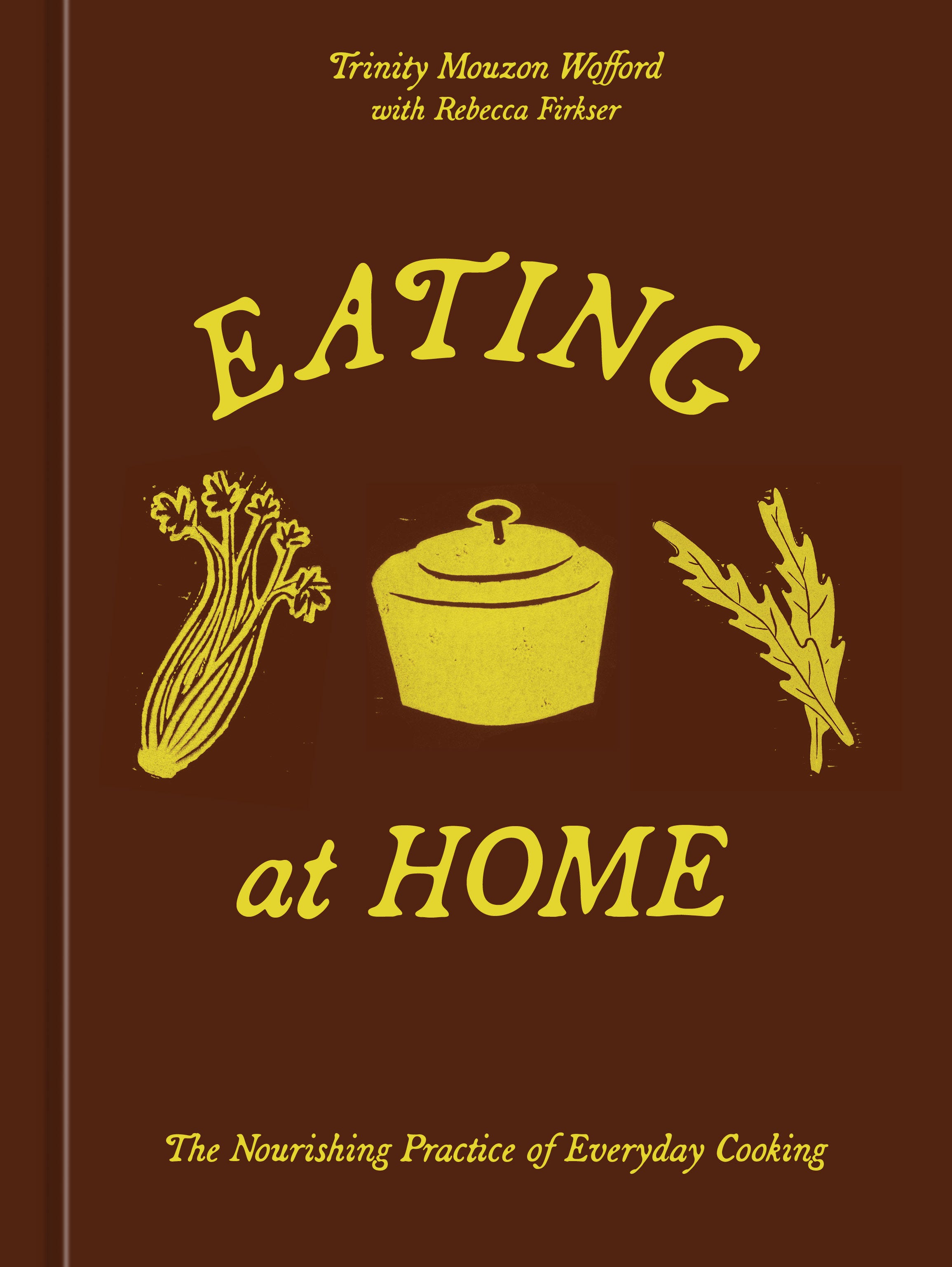
🥇 The simplest way to enter to win a copy of Eating At Home is to sign up as a paid subscriber to this newsletter by end of day Sunday, April 26, 2026.
🥈 Free subscribers can enter the giveaway by sending in a “what’s in my fridge right now” voice memo for us to play on The Dinner Plan podcast. It’s fun! We’ll come up with a dinner idea just for you based on what you have around. Follow the instructions here by end of day Sunday, April 26, 2026.
Winner will be alerted by Substack DM and email. 18+, U.S. and Canada addresses only. Giveaway not sponsored or administered by Substack. Ends April 26, 2026. Commissions from affiliate links in this newsletter help to keep this project going.

Trinity mentioned:
In 2026, We Are Friction-Maxxing (The Cut)
Sweet potato pie on IG / Edna Lewis recipe
Darina Allen’s Nettle Soup from Forgotten Skills of Cooking
Jeremy Lee’s Cooking: Simply and Well, for One or Many
Claudia Roden’s The Book of Jewish Food
Claire Ptak’s Love Is a Pink Cake
From the ad break:
Dirty Labs: Use code THEDINNERPLAN to get 15% off your first order.
Made In Cookware: Head to madein.cc/dinnerplan to unlock your discount offer.
Find Tanya Bush’s Will This Make You Happy wherever you buy cookbooks.
Watch I Changed My Mind with Dan Souza of America’s Test Kitchen on Netflix
Maggie mentioned:
A NOTE FROM TODAY’S SPONSOR

TCHO makes award-winning chocolate out of their Berkeley, California factory, but their work begins with cacao farmers all around the world, where they collaborate to grow better cacao in a highly ethical way. TCHO Chocolate is 100% organic, Fair-Trade, fully traceable, and free from dairy, gluten, and soy.
If you’re a chef, baker, or maker with a business, head over to TCHOpro.com to see all their offerings and request a sample. Mention this ad to get 10% off your first order. TCHO’s chocolate couvertures, cocoa powder, cacao nibs, drinking chocolate, and batons are used by some of the best chefs in the nation. How about we add you to that list ; )

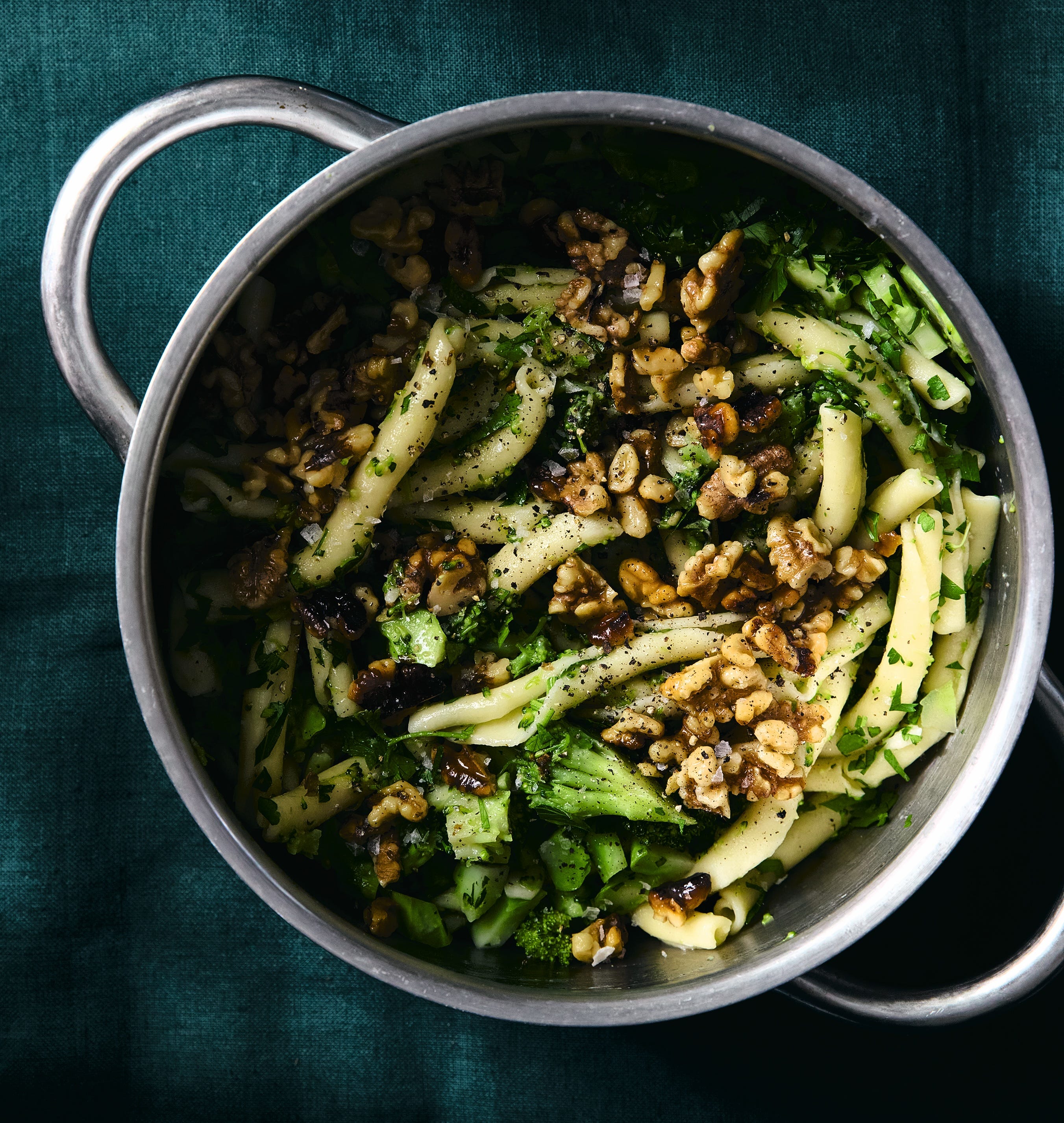
One-Pot Broccoli Pasta
Reprinted with permission from Eating at Home by Trinity Mouzon Wofford with Rebecca Firkser, copyright © 2026. Published by Ten Speed Press, a division of Penguin Random House, LLC.
Serves 4
I make this when I want “restaurant pasta,” but am short on time and ingredients. It’s a lovely Italian-inspired meal that you never knew could come from your home kitchen. Using one pot for the broccoli and the pasta makes for a breezy cleanup before bed—almost as simple as ordering in.
Ingredients
1½ pounds broccoli with the stalks (about 2 medium heads)
Sea salt
12 ounces short pasta, such as orecchiette, cavatelli, or penne
4 large garlic cloves, finely chopped, or 2 teaspoons garlic powder
⅓ cup extra-virgin olive oil
1 cup coarsely chopped walnuts or blanched hazelnuts
½ teaspoon freshly ground black pepper, plus more to taste
2 tablespoons chopped fresh oregano, or 2 teaspoons dried
¼ cup finely grated Parmesan cheese, plus more for serving
1 lemon
½ cup finely chopped fresh parsley
Instructions
Bring a large pot of water to a boil over high heat.
While that’s heating up, use a paring knife to slice the broccoli florets from the head into ½-inch pieces directly into a colander. (I don’t bother using a cutting board for this part—it just makes a mess.)
Use a vegetable peeler to remove the tough outer skin from the broccoli stems, trim off the bottom, then roughly chop and add to the colander with the florets.
When the pot of water comes to a boil, add 3 tablespoons sea salt (salt generously to season both the pasta and broccoli). Stir in the pasta, garlic, and three-quarters of the broccoli. Set a timer according to the pasta package directions for al dente. Just before draining, scoop out 2 cups of the cooking water into a mug or liquid measuring cup and set aside. Drain the pasta, garlic, and broccoli into a colander over the remaining broccoli.
Return the empty pot to the stove over medium-low heat for a minute to dry out. Add the oil and nuts, then increase the heat to medium. Stirring often, toast the nuts until fragrant and deeply golden, 3 to 5 minutes.
Stir in the black pepper and oregano. Let sizzle until fragrant, about 30 seconds. Stir in the pasta, garlic, and broccoli. Turn off the heat. Add the Parmesan and ½ cup of reserved pasta water. Stir vigorously for 1 to 2 minutes, adding more pasta water by the splash, until the pasta is glossy (you may not use all the water).
Grate the zest of the lemon right into the pot, then halve the lemon and juice half into the pot. Add the parsley and stir to combine. Season with more lemon juice, salt, and pepper to taste.
Top servings with more Parmesan and the toasted nuts.
I love her perspective on cooking and being in the moment (while making something good for your future self.) Great interview!
The nuts in this dish sound like such a wonderful addition